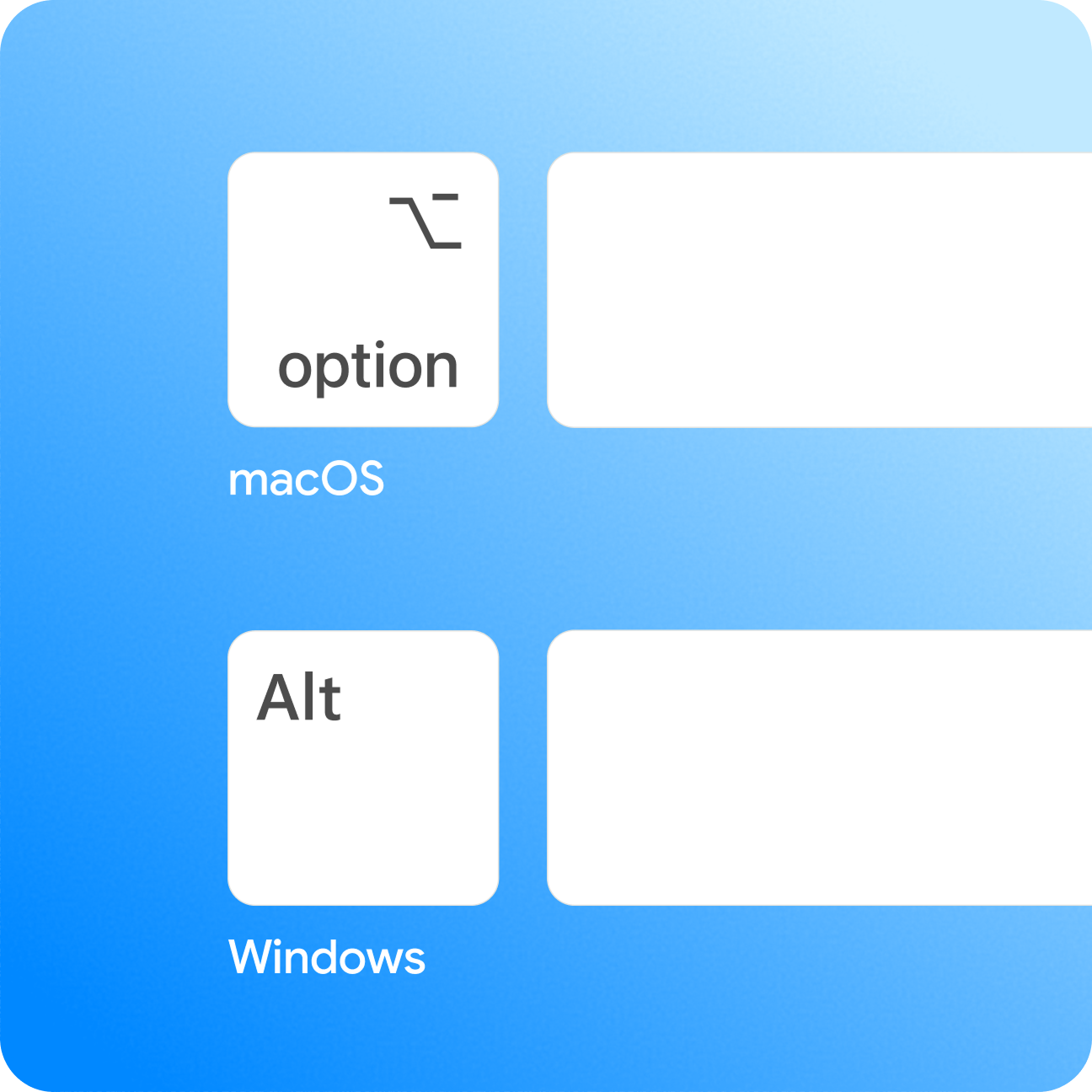
Google released a Gemini application for Windows on 10 September 2026, according to the exact dated entry in its release notes. The app puts Gemini behind an Alt + Space shortcut, providing a way to ask questions, draft text and work with the service without first finding a browser tab.
The immediate change is about access and workflow, rather than a newly announced model. A shortcut can make an assistant easier to reach during an existing task. It does not, by itself, mean the software can inspect every application, operate offline or take any action the user can perform on the PC.
The installation requirements are fairly clear
Google's Windows support page specifies Windows 10 or later, at least 8 GB of RAM, 200 MB of free installation space and a stable internet connection. Users need a personal Google Account, or a work or school account for which an administrator has enabled Gemini. The help page lists drafting, summarisation, coding help and image analysis among the supported uses.
These requirements distinguish installing the client from qualifying for every feature within it. A machine may meet the hardware requirements while its account has a different set of permissions or entitlements. In a managed workplace, checking the administrator's policy should come before assuming that a successful installation makes the app suitable for business information.
The official installation route is Google's desktop download page. That is especially worth emphasising for a newly released application: users should establish where the installer comes from before granting it access to their device or signing in. Organisations may also want to test deployment and updates through their normal software-management process.
Windows and Mac are not identical at launch
The desktop product page lists support for both x64 and ARM64 Windows systems. It also describes taskbar and system-tray access and configurable shortcuts. Importantly, its description of native features separates macOS capabilities from those still coming to Windows. Screen-context sharing, dictation across applications and local-folder work should therefore not be assumed to have identical support on both systems.
That distinction changes how the launch should be evaluated. A user who wants faster access to conversation may find the app useful immediately. Someone whose main requirement is working directly with local files should verify the exact Windows behaviour first. Product pages covering two operating systems can make that difference easy to miss when their demonstrations sit close together.
Google also says availability varies by feature and that some capabilities require an eligible subscription and age. The launch should not be read as a promise of unrestricted access to all Gemini tools. Check the account actually being used, not only a general description of what Gemini can do.
Connected information still needs deliberate permissions
Google's Connected Apps guidance says the available services and actions depend on the Gemini app, device, country and account. Users can inspect connections in settings and disconnect services. The personal-account instructions are separate from guidance for work and school accounts. This existing documentation provides context for the desktop launch; it is not evidence of a new connector release.
For everyday work, the practical question is whether Gemini can reach the right information without receiving more access than the task needs. Start with a small, non-sensitive example whose correct answer is known. Ask it to identify the material it used, then compare the answer with the original. That tests retrieval and interpretation together.
A convenient interface should not make source checking disappear. An email draft still needs its recipient, dates and commitments checked. A document summary still needs a comparison with the underlying document. If the assistant cannot find a source, it should be treated as a missing input rather than an invitation to fill the gap with a plausible answer.
A useful trial measures interruptions, not novelty
Our assessment is that the strongest case for this client is reducing the small interruptions involved in moving between applications and AI assistance. A short trial could compare the same set of routine tasks using the desktop client and the existing browser experience. Count corrections and time spent supplying context as well as the time taken to open the assistant.
Examples might include turning rough notes into a draft, checking the structure of an explanation or making a first pass at a document outline. Keep human review in the process and avoid changing several tools at once. Otherwise, it becomes difficult to tell whether the new access point is improving work or merely making AI use more frequent.
The Windows release gives Gemini a more immediate place on the desktop. Its value is likely to be clearest where quick assistance fits naturally into an existing task. For deeper automation, local context and connected work, the deciding factors remain the specific features available to the user and the care taken with permissions and verification.